


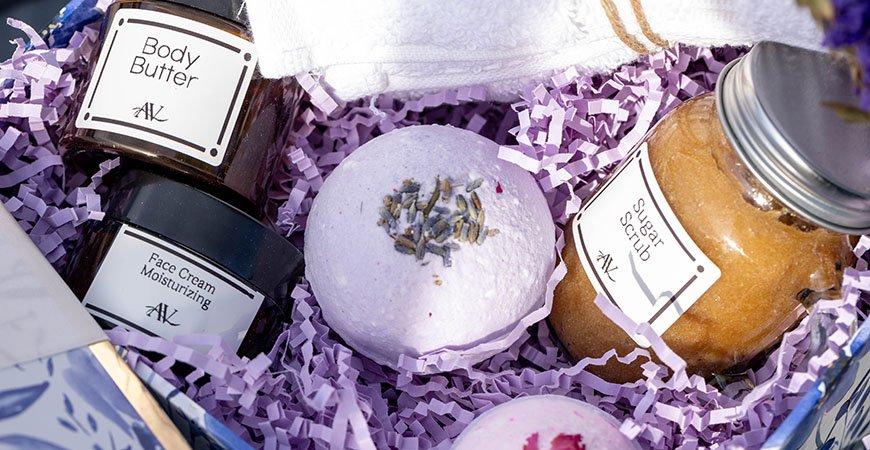
Calendula Flowers Dry Herbal
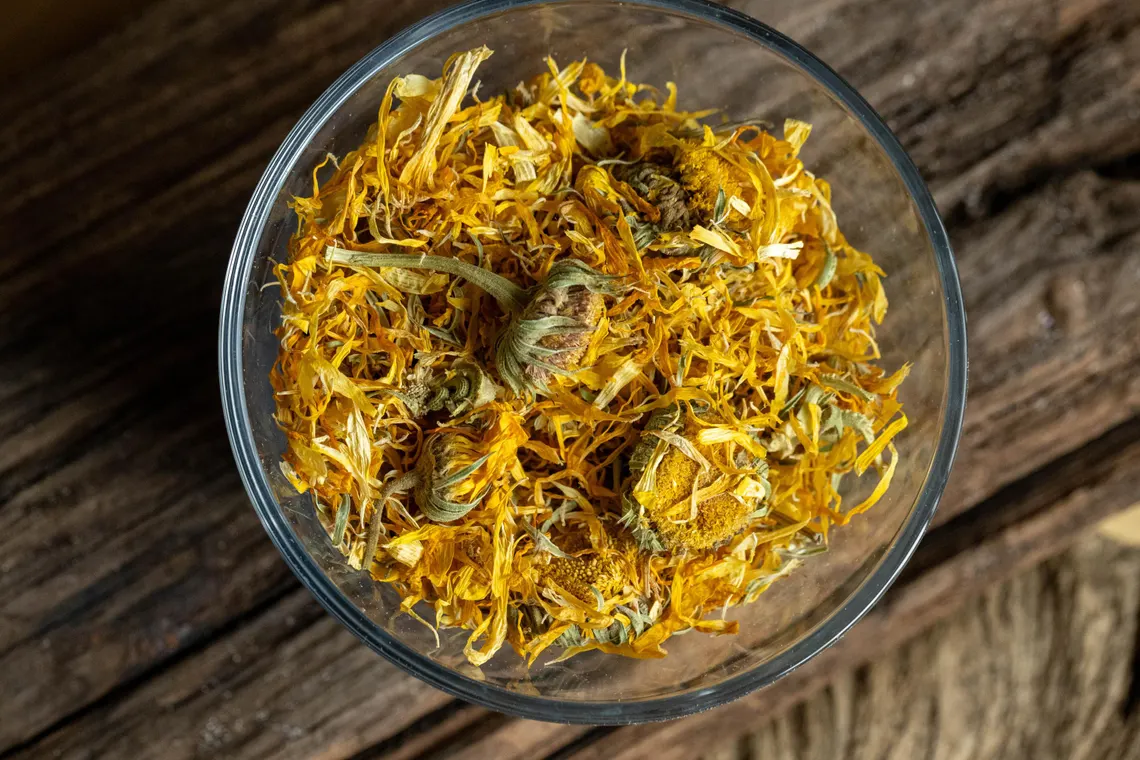
Ingredients: Calendula Flowers
Premium Dried Calendula Flowers – Hand-Harvested & Naturally Dried
Discover the vibrant beauty of our high-quality dried calendula flowers, meticulously hand-harvested and naturally dried to retain their stunning golden hue, delicate aroma, and powerful natural benefits. Perfect for crafting soothing tea blends, infusing oils, or creating luxurious natural beauty products, our calendula flowers deliver unmatched purity and freshness in every petal. Whether you’re a DIY enthusiast, a wellness seeker, or a herbalist, our dried calendula flowers are your go-to source for herbal excellence. Shop now and elevate your creations with the finest calendula flowers, sourced with care for your health and beauty needs!
A Rich History of Calendula: From Ancient Times to Modern Day
Calendula, scientifically known as Calendula officinalis, often referred to as “pot marigold,” has a storied history that stretches back centuries, deeply rooted in herbal traditions across the globe. Native to the Mediterranean region, calendula has been cultivated and revered since ancient times for its medicinal and aesthetic qualities. The name “calendula” is derived from the Latin word calendae, meaning “little calendar” or “little clock,” a nod to the flower’s tendency to bloom with the calendar—often monthly or with the new moon.
In ancient Rome, calendula was prized for its healing properties and was used in rituals and as a dye for fabrics. The Romans also believed the flower had magical properties, using it in love potions and as a symbol of joy and endurance. By the Middle Ages, calendula had spread across Europe, becoming a staple in monastic gardens. Herbalists of the time, such as Hildegard of Bingen, documented its use for treating wounds, digestive issues, and skin irritations. During the Renaissance, calendula was a common ingredient in culinary recipes, often added to soups and stews for its vibrant color and subtle peppery flavor, earning it the nickname “poor man’s saffron.”
The flower’s journey didn’t stop in Europe. As trade routes expanded, calendula made its way to the Americas, where Native American tribes adopted it for its medicinal benefits, using it in poultices to soothe burns and cuts. By the 19th century, calendula was a staple in apothecary shops worldwide, its golden petals steeped in teas, tinctures, and salves. Today, calendula remains a beloved herb in natural medicine and skincare, its historical significance a testament to its enduring value.
Why People Use Calendula Flowers: Benefits and Applications
The popularity of dried calendula flowers stems from their versatility and the wide range of benefits they offer, making them a must-have for anyone interested in natural wellness and beauty. One of the primary reasons people turn to calendula is its potent anti-inflammatory and antimicrobial properties. The flower is rich in flavonoids, triterpenoids, and essential oils, which contribute to its ability to soothe irritated skin, promote healing, and fight off infections. This makes calendula an ideal choice for treating minor cuts, burns, rashes, and even acne.
For skincare enthusiasts, dried calendula flowers are a game-changer. When infused in oils, they create a nourishing base for homemade salves, creams, and balms. Calendula-infused oil is known for its ability to hydrate dry skin, reduce the appearance of scars, and even combat signs of aging by promoting collagen production. Many people incorporate calendula into facial masks or toners to calm redness and improve skin tone, making it a go-to ingredient for those with sensitive or eczema-prone skin.
Beyond skincare, calendula is widely used in herbal teas. When steeped in hot water, the dried flowers release a mild, earthy flavor with a hint of bitterness, creating a soothing beverage known for its ability to ease digestive discomfort, reduce inflammation, and support the immune system. Calendula tea is also a popular remedy for menstrual cramps and sore throats, thanks to its gentle antispasmodic and antimicrobial effects.
Crafters and artisans also love calendula for its vibrant color and natural dye properties. The golden petals can be used to create eco-friendly dyes for fabrics, soaps, and candles, adding a touch of nature to handmade creations. Additionally, calendula flowers are often incorporated into potpourri or bath soaks, their delicate aroma enhancing the sensory experience of relaxation.
The reasons to use calendula are not just practical—they’re also rooted in a desire for sustainability and natural living. As more people seek to move away from synthetic products, calendula offers a pure, plant-based alternative that aligns with eco-conscious values. Its ability to be grown, harvested, and dried with minimal environmental impact makes it a favorite among those who prioritize green living.
Geography of Calendula: Where It Thrives and How It’s Grown
Calendula is a hardy plant that thrives in a variety of climates, which has contributed to its widespread cultivation across the globe. Originally native to the Mediterranean, particularly in regions like southern France, Italy, and Spain, calendula prefers temperate climates with plenty of sunlight and well-drained soil. The plant is an annual in colder regions but can grow as a perennial in milder climates, blooming from late spring to early fall.
Today, calendula is cultivated in many parts of the world, from Europe and North America to parts of Asia and Australia. In the United States, it’s commonly grown in states like California, Oregon, and North Carolina, where the climate mimics its Mediterranean origins. In Europe, countries like Germany and Hungary are known for their high-quality calendula production, often used in pharmaceutical-grade herbal products. In India, calendula has gained popularity in Ayurvedic practices and is grown in regions like Himachal Pradesh and Uttarakhand, where the cooler temperatures and sunny days suit its needs.
The process of growing and harvesting calendula is relatively straightforward, which makes it a favorite among small-scale farmers and home gardeners. The plant is typically sown in early spring, either directly in the ground or in pots, and requires minimal maintenance beyond regular watering and occasional weeding. Calendula is also known for its pest-repellent properties, making it a natural companion plant in organic gardens, often planted alongside vegetables like tomatoes and beans to deter insects.
Harvesting calendula flowers is a labor of love, especially for high-quality dried products. The flowers are picked by hand at the peak of their bloom, usually in the morning when their essential oil content is highest. To preserve their color and potency, they are then air-dried in a shaded, well-ventilated area, away from direct sunlight, which can degrade their active compounds. This natural drying process ensures that the flowers retain their vibrant golden hue and delicate aroma, making them ideal for teas, infusions, and skincare products.
Why Choose Our Dried Calendula Flowers?
At the heart of our product is a commitment to quality and sustainability. Our dried calendula flowers are sourced from small, ethical farms that prioritize organic growing practices, ensuring that no harmful pesticides or chemicals come into contact with the plants. Each batch is hand-harvested and naturally dried with care, preserving the flowers’ golden color, subtle scent, and therapeutic properties. We take pride in offering a product that’s as pure as nature intended, free from additives or preservatives.
Whether you’re a herbalist looking to create a healing salve, a tea enthusiast seeking a calming brew, or a crafter in search of natural beauty, our dried calendula flowers are the perfect choice. Their versatility makes them a staple in any wellness or creative toolkit, and their rich history and global reach speak to their universal appeal. From the sun-drenched fields of the Mediterranean to your home, these flowers carry the essence of nature’s healing power.
How to Use Dried Calendula Flowers
Using dried calendula flowers is simple and rewarding. To make a tea, steep 1-2 teaspoons of dried flowers in a cup of hot water for 10 minutes, then strain and enjoy. For skincare, infuse the flowers in a carrier oil like olive or jojoba by placing them in a jar and letting them sit for 4-6 weeks, shaking occasionally. The resulting oil can be used directly on the skin or as a base for creams and salves. For a relaxing bath, add a handful of flowers to a muslin bag and let it steep in warm water, creating a fragrant and soothing soak.
Conclusion
Dried calendula flowers are more than just a beautiful herb—they’re a bridge to ancient traditions, a tool for modern wellness, and a celebration of nature’s bounty. With their rich history, myriad benefits, and global cultivation, they offer a timeless way to care for your body and soul. Shop our premium dried calendula flowers today and experience the difference that quality and care can make in your herbal creations. 🌿
Related Products
-
Original price was: $2.99.$2.39Current price is: $2.39.Add to cart
- Quick View
Original price was: $2.99.$2.39Current price is: $2.39.Add to cart
Lavender Flowers Dry
Lavender Flowers DryHurry Up!
Offer ends in:
Lavender Flowers Dry
Lavender Flowers DryHandmade product with Lavender dry. Crafted with natural ingredients by AdoreVera.
-
Original price was: $2.99.$2.39Current price is: $2.39.Add to cart
-
Original price was: $2.99.$2.24Current price is: $2.24.Add to cart
- Quick View
Original price was: $2.99.$2.24Current price is: $2.24.Add to cart
Chamomile Flowers Dry Herbal
Chamomile Flowers Dry HerbalHurry Up!
Offer ends in:
Chamomile Flowers Dry Herbal
Chamomile Flowers Dry Herbal-
Original price was: $2.99.$2.24Current price is: $2.24.Add to cart
Upsell Products
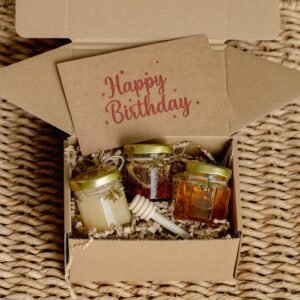
Honey Gift Set
Honey Gift SetHandmade gift set with Jar of Natural Honey, Wooden honey dipper, Buckwheat Honey, Acacia Honey. Thoughtfully crafted with natural ingredients.
-
$29.00Add to cart
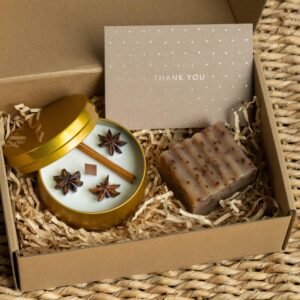
Handmade Gift Box: Soy Candle and Soap
Handmade Gift Box: Soy Candle and SoapHurry Up!
Offer ends in:
Handmade Gift Box: Soy Candle and Soap
Handmade Gift Box: Soy Candle and SoapHandmade gift set with Soap Colorant, Fragrance oil, Vegetable Glycerin, Sodium Stearate. Thoughtfully crafted with natural ingredients.
-
$24.99Add to cart


Reviews
There are no reviews yet.