


Calendula Tea 101: Brewing the Perfect Cup with Dried Flowers
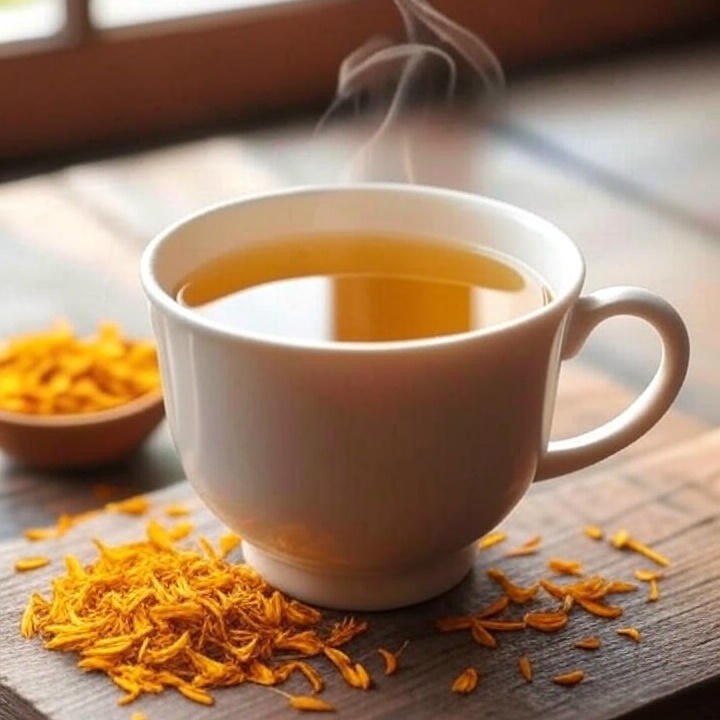
Calendula tea, made from the vibrant golden petals of Calendula officinalis, is more than just a soothing beverage—it’s a centuries-old remedy that bridges ancient herbal traditions with modern wellness practices. Whether you’re seeking to calm your mind, ease digestive discomfort, or simply enjoy a fragrant, earthy drink, our premium, hand-harvested, and naturally dried calendula flowers offer unmatched quality and potency. In this post, we’ll explore how to brew the perfect cup of calendula tea, reflect on its benefits, share personal experiences, discuss the best times to enjoy it, address potential concerns, and consider how its use might vary between men and women or across different age groups. Shop our premium dried calendula flowers here!
Why Calendula Tea? A Personal Reflection
The first time I tried calendula tea, I was skeptical. The idea of steeping dried flowers in hot water sounded more like a garden experiment than a wellness ritual. But as the golden petals unfurled in my cup, releasing a subtle, earthy aroma with a hint of bitterness, I was hooked. There’s something grounding about sipping a tea that’s been used for centuries, from Roman feasts to medieval apothecaries. It feels like a quiet nod to history, a reminder that nature has been offering solutions long before modern medicine.
Calendula tea’s appeal lies in its simplicity and versatility. Its mild flavor doesn’t overwhelm, making it a perfect base for blending with other herbs like chamomile or peppermint. For me, it’s become a go-to evening ritual, a moment to pause and reflect after a hectic day. The act of brewing feels intentional, almost meditative, and the tea’s gentle warmth seems to ease both body and mind. But beyond the sensory experience, calendula tea is packed with benefits that make it a staple for anyone interested in natural wellness.
The Benefits of Calendula Tea
Calendula flowers are rich in flavonoids, triterpenoids, and essential oils, which give the tea its anti-inflammatory, antimicrobial, and antispasmodic properties. These compounds make it a powerful ally for a range of health concerns. Here are some key benefits:
- Digestive Support: Calendula tea is known for soothing digestive issues like bloating, indigestion, and stomach cramps. It can help calm an upset stomach and promote healthy digestion, making it a favorite after heavy meals.
- Immune Boost: The antimicrobial properties of calendula may help fend off minor infections, such as sore throats, especially during cold and flu season.
- Menstrual Relief: For women, calendula tea can ease menstrual cramps and reduce inflammation, offering a natural alternative to over-the-counter remedies.
- Skin Health: While often used topically, drinking calendula tea may support skin health from the inside out by reducing inflammation and promoting detoxification.
- Stress Relief: The act of sipping a warm, aromatic tea can be inherently calming, and calendula’s gentle effects may help reduce stress and promote relaxation.
These benefits aren’t just anecdotal—they’re rooted in centuries of herbal tradition and supported by modern research into calendula’s bioactive compounds. For me, the most noticeable effect has been its ability to settle my stomach after a long day, especially when I’ve overindulged in spicy foods.
How to Brew the Perfect Cup
Brewing calendula tea is simple, but a few tips can elevate your experience. Here’s how to do it:
- Measure the Flowers: Use 1-2 teaspoons of our premium dried calendula flowers per cup of hot water. Adjust based on your taste preference—more flowers yield a stronger flavor.
- Steep Properly: Pour near-boiling water (about 190-200°F) over the flowers and let them steep for 8-10 minutes. Too long, and the tea can become bitter; too short, and you’ll miss the full flavor.
- Strain and Serve: Use a fine mesh strainer to remove the petals. For added flavor, mix in a teaspoon of honey or a slice of lemon, which complements the tea’s earthy notes.
- Optional Blends: Pair calendula with chamomile for extra relaxation or peppermint for a refreshing twist.
Pro tip: I like to brew a large batch and store it in a glass pitcher in the fridge for up to 48 hours. It’s perfect for sipping cold on a warm day or reheating for a cozy evening drink.
Best Times to Enjoy Calendula Tea
Timing can enhance the benefits of calendula tea. Here are my favorite times to enjoy it, based on personal experience and its therapeutic effects:
- After Meals: If you’re prone to bloating or indigestion, sip calendula tea 20-30 minutes after eating. It’s especially helpful after rich or heavy meals.
- Evening Wind-Down: The calming properties make it ideal for an evening ritual, helping you unwind before bed. I find it pairs beautifully with a good book or a quiet moment of reflection.
- During Menstrual Cycles: For women, drinking calendula tea a few days before and during menstruation can help ease cramps and discomfort.
- Cold and Flu Season: At the first sign of a sore throat or sniffles, a warm cup of calendula tea can provide soothing relief and support your immune system.
I’ve found mornings less ideal for calendula tea, as its earthy flavor can feel heavy compared to lighter options like green tea. Save it for moments when you need calm and comfort.
What to Watch Out For
While calendula tea is generally safe for most people, there are a few things to keep in mind:
- Allergies: Calendula is part of the Asteraceae family, which includes ragweed and daisies. If you’re allergic to these plants, you might experience a reaction. Start with a small amount to test your tolerance.
- Pregnancy and Breastfeeding: Although calendula is considered safe in moderation, consult a healthcare provider if you’re pregnant or breastfeeding, as its effects aren’t fully studied in these cases.
- Medication Interactions: Calendula may interact with sedatives or anti-inflammatory drugs due to its calming and anti-inflammatory effects. If you’re on medication, check with your doctor.
- Overuse: Drinking too much calendula tea (more than 3-4 cups daily) can sometimes cause mild stomach upset due to its bitterness. Moderation is key.
I’ve never had issues with calendula tea, but I always recommend starting with one cup a day to see how your body responds. Our hand-harvested flowers are free from pesticides and additives, reducing the risk of contaminants, but it’s still wise to listen to your body.
Men vs. Women: Any Differences?
Calendula tea’s benefits are largely universal, but there are slight differences in how men and women might use it. Women often turn to calendula tea for menstrual support, as its antispasmodic properties can ease cramps and bloating. I’ve spoken with friends who swear by it during their cycles, noting it feels gentler than pharmaceutical options. Men, on the other hand, might gravitate toward calendula tea for digestive relief or post-workout recovery, thanks to its anti-inflammatory effects. For example, a male colleague mentioned using it to soothe an upset stomach after overdoing it at a barbecue.
Both genders can benefit from its skin-supporting and stress-relieving properties, but women may find it especially useful in skincare routines, as they’re more likely to experiment with herbal teas for beauty benefits. That said, I’ve noticed more men embracing herbal teas in recent years, especially as natural wellness gains popularity.
Best Age for Calendula Tea
Calendula tea is suitable for most ages, but its benefits shine at different life stages:
- Young Adults (18-30): This group often uses calendula tea for skin health, especially to combat acne or redness. It’s also great for managing stress during busy college or early career years.
- Adults (30-50): For those juggling work, family, and health, calendula tea offers digestive support and a calming ritual to counter daily stress. It’s also popular for DIY skincare among this age group.
- Seniors (50+): Older adults may appreciate calendula’s anti-inflammatory properties for joint health or digestion, as well as its immune-boosting effects during cold season.
Children under 12 should avoid calendula tea unless under medical supervision, as their systems are more sensitive. I’ve found that my 40s have been the sweet spot for enjoying calendula tea, as it aligns with my focus on natural health and sustainable living.
Final Thoughts
Calendula tea is more than a beverage—it’s a connection to nature, history, and personal well-being. Whether you’re brewing a cup to soothe your body, calm your mind, or simply savor a moment of peace, our premium dried calendula flowers deliver the quality and care you deserve. Hand-harvested and naturally dried, they’re a testament to the power of simple, sustainable ingredients. Try brewing your first cup today and discover why calendula has been cherished for centuries. Shop now and elevate your wellness routine!

