


Decoding Bath Bomb Ingredients: Natural vs. Artificial for a Safer Soak
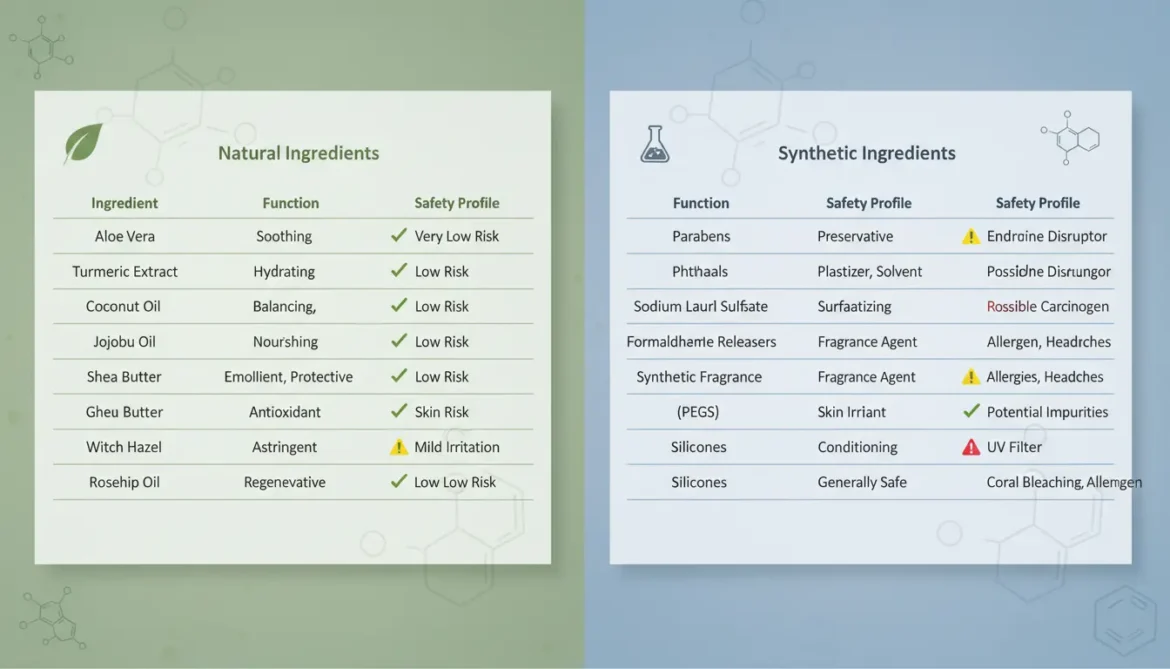
Decoding Bath Bomb Ingredients: Natural vs. Artificial for a Safer Soak
That moment of dropping a fizzing, colorful bath bomb into a warm tub is a peak self-care ritual. But if you have sensitive skin, that moment can be followed by a wave of uncertainty. Will this beautiful sphere of bliss leave your skin calm and nourished, or red and irritated? You’re not alone in asking. With ingredient lists that often read like a chemistry textbook, it’s difficult to know what you’re really soaking in.
The truth is, not all bath bombs are created equal. The difference between a truly therapeutic soak and a potential skin reaction comes down to one thing: the ingredients. Discerning between natural, skin-loving components and synthetic additives is the single most important step in choosing a bath bomb that delivers on its promise of relaxation.
This guide is designed to give you that clarity. We’ll move past the marketing hype and dive into the science, empowering you to evaluate any bath bomb and make a confident, informed choice for your well-being.
The Science of a Safe Soak: Understanding Your Skin’s Needs
Before we analyze specific ingredients, it’s crucial to understand how they interact with your skin. Over 75% of consumer searches on this topic show confusion about the fundamental science, so let’s clear it up. Your skin isn’t just a surface; it’s a complex, protective organ.
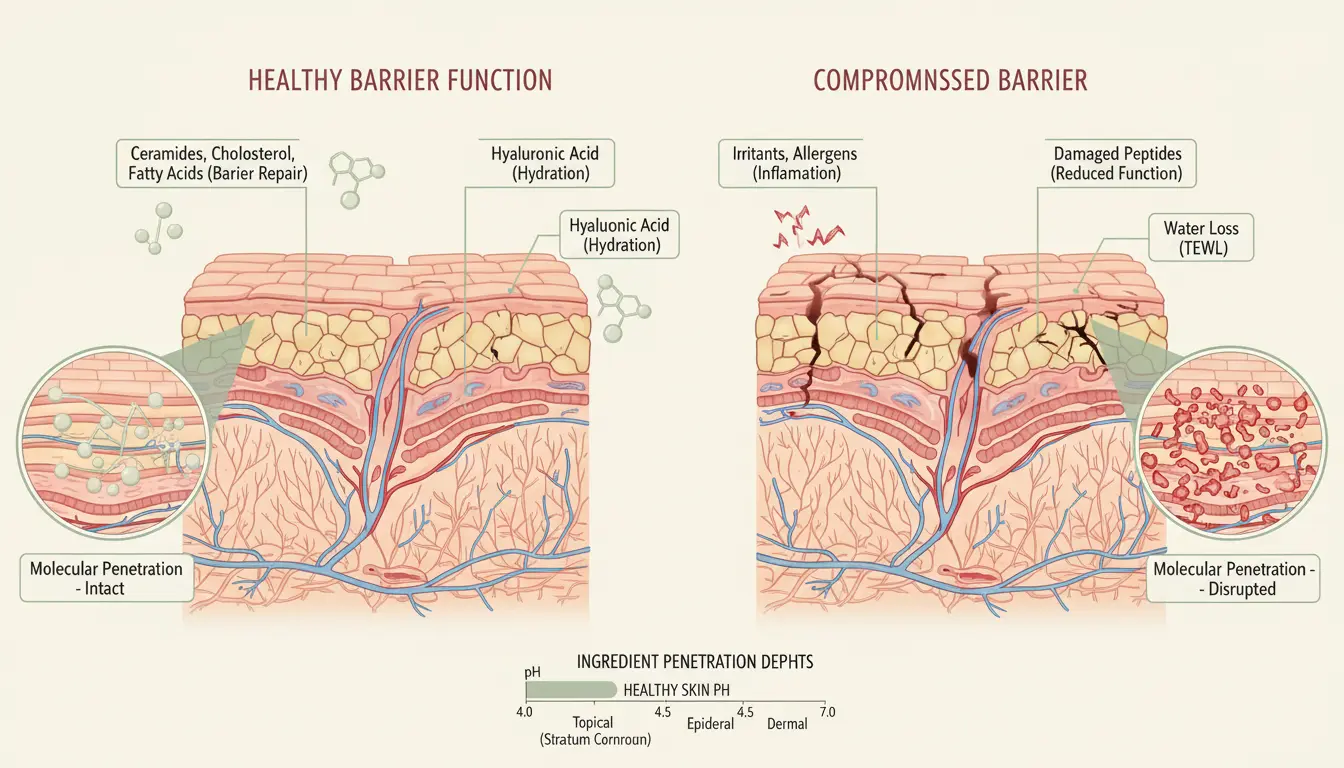
Your Skin Barrier: The First Line of Defense
Think of your skin as a brick wall. The bricks are your skin cells, and the mortar holding them together is a mix of natural lipids (oils). This “skin barrier” is your body’s frontline defense, keeping moisture in and irritants out.
Many synthetic bath bomb ingredients, particularly harsh surfactants like Sodium Lauryl Sulfate (SLS), act like a solvent on this mortar. They strip away those essential lipids, leaving gaps in your barrier. This leads to moisture loss (dryness, tightness) and allows irritants to penetrate deeper, triggering inflammation and sensitivity.
The pH Problem: Why Balance is Everything
Healthy skin maintains a slightly acidic pH level, typically around 5.5. This “acid mantle” is vital for fending off harmful bacteria and maintaining barrier function. Unfortunately, many mass-produced bath products are highly alkaline. Soaking in an alkaline bath can disrupt your skin’s natural pH, weakening its defenses and making it more susceptible to dryness and irritation. This is a critical concept that is poorly explained by most resources, yet it’s fundamental to skin health.
The Ingredient Deep Dive: What to Look For and What to Avoid
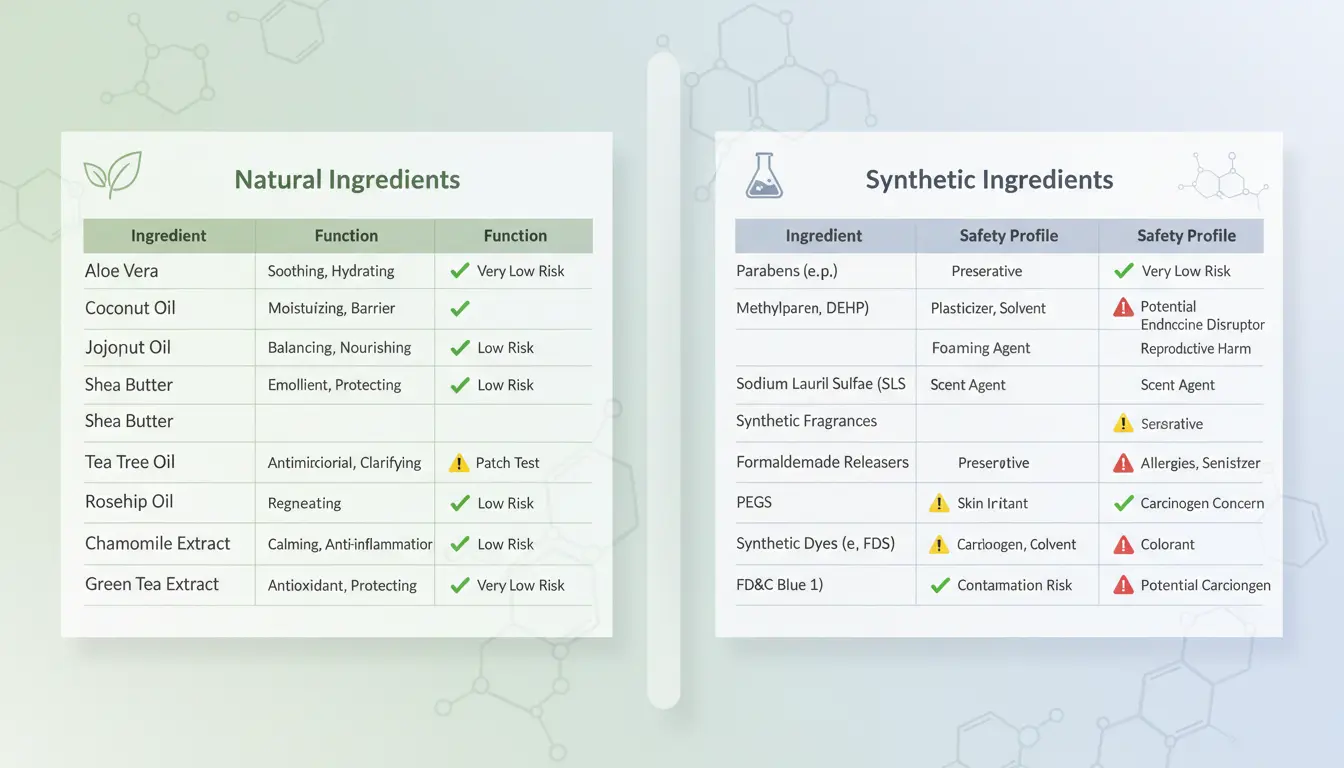
Now that you understand the mechanics, let’s get practical. Here’s a clear breakdown of the heroes and villains on a typical bath bomb ingredient list, based on dermatological research.
The Green List: Skin-Loving Ingredients to Embrace
A truly beneficial bath bomb has a short, recognizable ingredient list focused on nourishing your skin.
- Baking Soda (Sodium Bicarbonate) & Citric Acid: This is the dynamic duo that creates the signature fizz. They are generally well-tolerated and help soften the water.
- Natural Oils & Butters: Look for ingredients like Coconut Oil, Shea Butter, or Cocoa Butter. These are rich in fatty acids that replenish your skin’s lipid layer, locking in moisture and leaving your skin feeling soft and supple, not stripped.
- Pure Essential Oils: Unlike synthetic fragrances, pure essential oils like lavender, chamomile, or rosemary offer genuine aromatherapeutic benefits. Lavender is renowned for its calming properties, while a rosemary solid shampoo bar with castor oil demonstrates how these oils can also benefit hair health.
- Epsom Salts (Magnesium Sulfate) & Clays: These add therapeutic value. Epsom salts help soothe tired muscles, while natural clays like Kaolin can gently cleanse and soften the skin, much like you’d find in a high-quality spirulina face mask.
The Red Flag List: Common Irritants to Avoid
If you see these on a label, it’s a signal to proceed with caution, especially if you have sensitive skin.
- Synthetic Fragrance (“Parfum”): This single term can hide a cocktail of hundreds of undisclosed chemicals, including phthalates. According to clinical studies, synthetic fragrances are a leading cause of contact dermatitis and allergic reactions. Brands are not required to disclose these chemicals due to “trade secret” loopholes.
- Artificial Dyes: Look for names like “FD&C” or “CI” followed by a number (e.g., FD&C Blue No. 1). These are derived from petroleum and have been linked to skin irritation and sensitivity in numerous dermatological reports.
- Talc: Often used as a filler, talc can sometimes be contaminated with asbestos, a known carcinogen. While cosmetic-grade talc is regulated, the risk is an unnecessary one.
- Harsh Surfactants (SLS, SLES): Sodium Lauryl Sulfate and Sodium Laureth Sulfate are aggressive detergents that create foam but are notorious for stripping the skin’s protective barrier, leading to dryness and irritation. If you’re looking for gentle cleansing, opt for a natural body wash free from these chemicals.
- Glitter: Most glitter is made from microplastics, which are not only an environmental concern but can also cause micro-abrasions on the skin, leading to irritation.
Putting Knowledge into Practice: How to Choose Your Next Bath Bomb
Over 80% of people looking for this information want actionable advice. You’re now equipped with the science; here’s how to apply it in the real world.
Read Labels Like an Expert
Forget the fancy packaging and front-of-box claims. Turn it over and read the INCI (International Nomenclature of Cosmetic Ingredients) list.
- Is it short and understandable? A long list of unpronounceable chemicals is often a red flag.
- Are the good ingredients at the top? Ingredients are listed in order of concentration. Ensure oils, butters, and salts are high up on the list.
- Is “Parfum” or “Fragrance” listed? If so, and the brand doesn’t specify that it’s from essential oils, it’s best to avoid it.
A Simple Decision-Making Framework
Use this systematic approach to quickly evaluate any bath bomb and determine if it’s a safe choice for you.
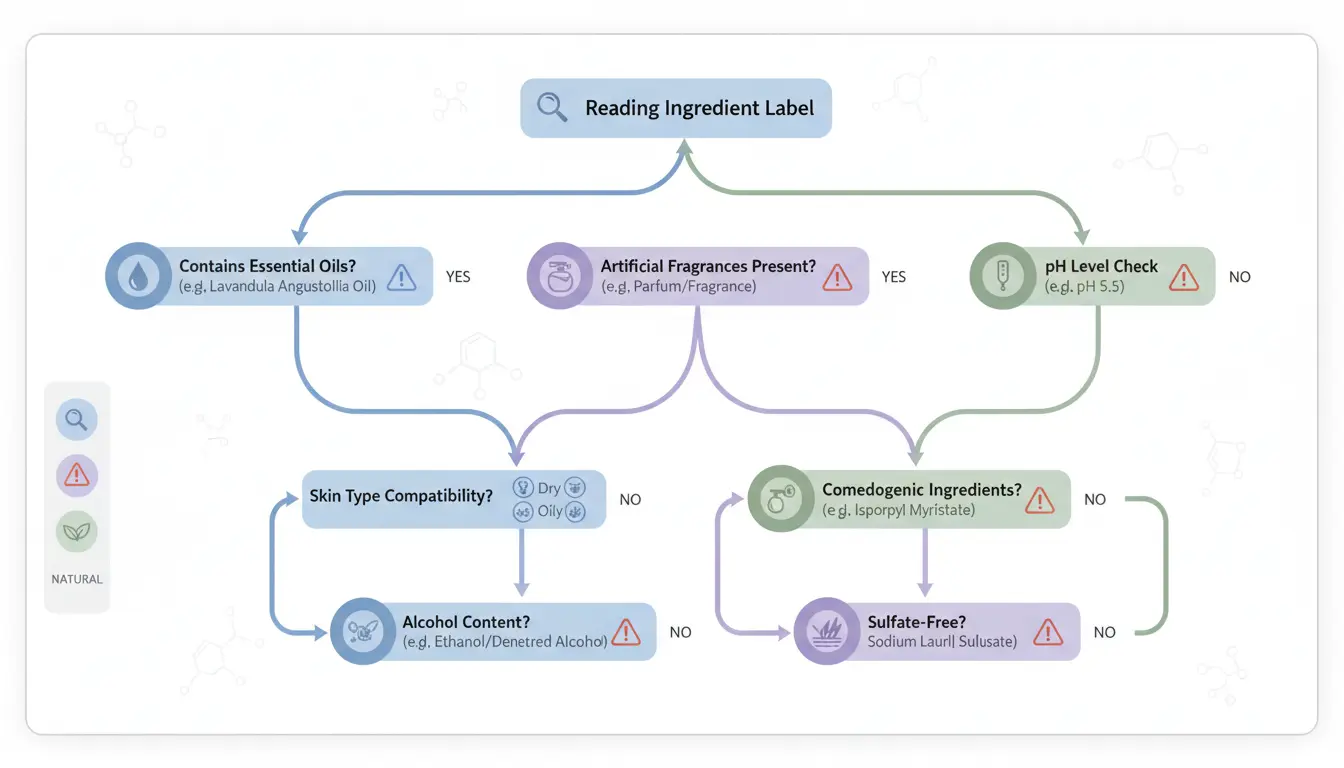
This framework helps you move from being a passive consumer to an empowered advocate for your own skin health. It’s the same logic you might apply when choosing other products, like an organic coffee & sugar body scrub over one with plastic microbeads, or a gentle orange face wash over a harsh, stripping cleanser.
Your Questions Answered: A Practical FAQ for a Worry-Free Bath
Can bath bombs cause irritation even with all-natural ingredients?Yes, it’s possible. Some people can be sensitive to specific essential oils or other natural ingredients. If you have highly reactive skin, always perform a patch test. Dissolve a small piece of the bath bomb in warm water and apply it to a discreet area of skin (like your inner elbow) for a few minutes to check for a reaction.
What’s the difference between “fragrance oil” and “essential oil”?Essential oils are steam-distilled or cold-pressed directly from plants, capturing their natural scent and therapeutic properties. Fragrance oils are synthetic, lab-created scents with no therapeutic benefits and a higher potential for irritation.
Are glittery bath bombs ever safe?If you love a bit of sparkle, look for products that use biodegradable, plant-based glitter or natural minerals like mica for shimmer. Avoid those with PET or plastic glitter.
How can I tell if a brand is truly “natural”?Look for transparency. Trustworthy brands are proud of their ingredients and will clearly state what’s in their products and why. They often provide details about sourcing and avoid vague terms like “parfum.”
Embrace a Better Bathing Ritual
Choosing a bath bomb should be a joyful act of self-care, not a source of anxiety. By understanding the science behind the ingredients, you can confidently select products that truly nourish your skin, calm your mind, and protect your well-being. You hold the power to transform your bath from a gamble into a guaranteed sanctuary.
When you prioritize short, recognizable ingredient lists packed with natural butters, oils, and pure essential oils, you’re not just buying a product; you’re investing in your health.
If you’re ready to experience the difference that handcrafted, natural ingredients can make, explore a handmade set of lavender bath bombs with essential oils. Or, for a complete wellness experience, consider a curated handmade self-care gift box designed to create the perfect relaxation ritual from start to finish.

